Nothing prepared me for Alaska. We drove through Seward, Homer, Valdez, and Anchorage, camped under open skies, hiked on a glacier, kayaked between walls of blue ice, and took a boat deep into the fjords where humpback whales surfaced beside us close enough to hear the towering walls of the blue ice crack before huge pieces fell into the sea. The boat captain spoke with the calm confidence of someone who had spent decades on those waters. You could tell this was his life and he was not giving a performance. We trusted him to guide us through waters we had never traveled before.

Travel brochures would never capture some of my most memorable experiences. They were in the aroma of freshly brewed coffee drifting from a small café in the middle of nowhere and in the hours spent in neighborhood pubs where nobody cared about rushing through the day. Within a few months, snow would blanket those same places, many of the roads would be empty, and daily life would settle into an entirely different rhythm.

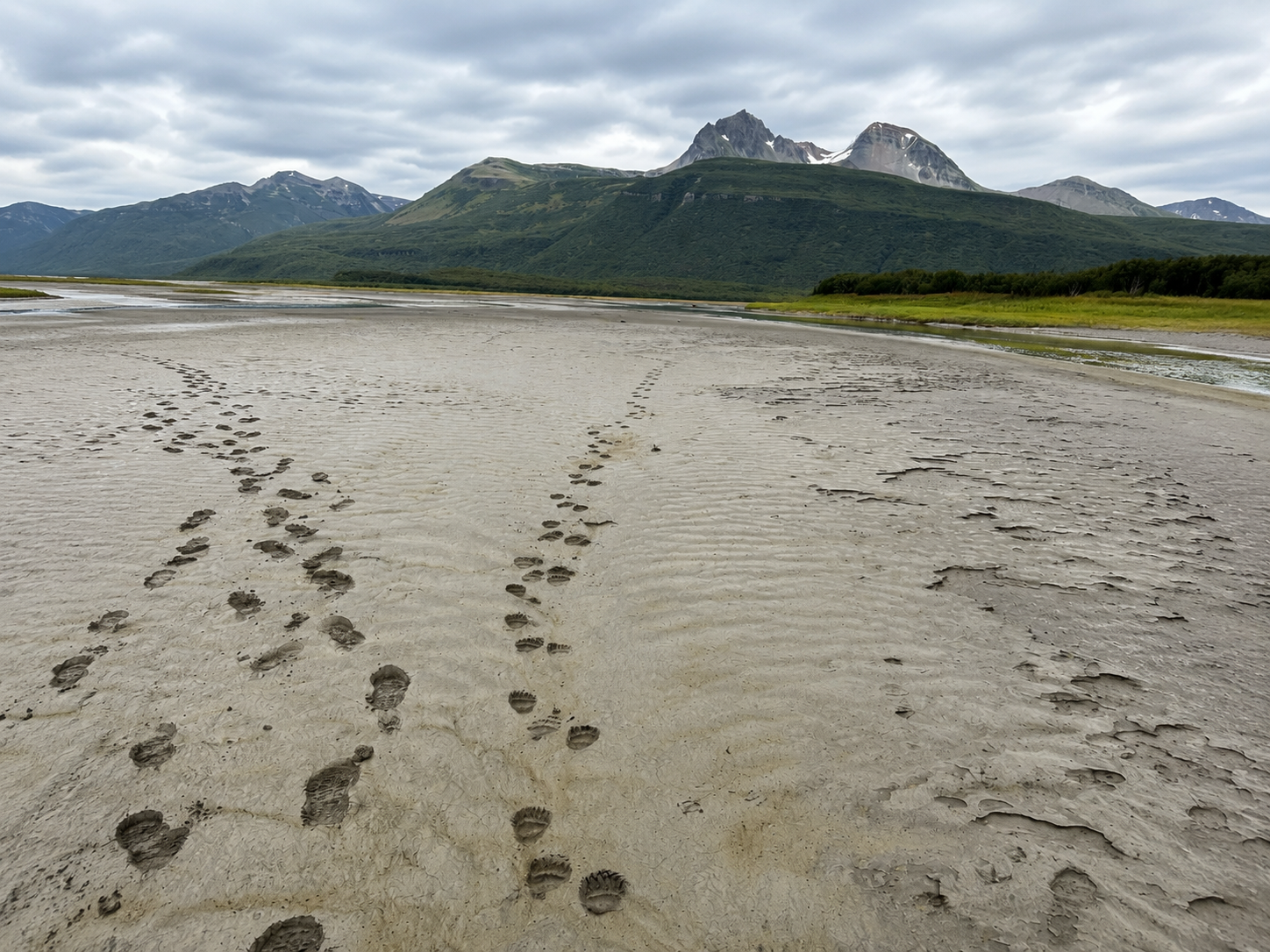
We flew in a seaplane to watch bears catching salmon in a remote wilderness. We were visitors who could admire the landscape, take photographs, and leave with memories. The people who settled there generations ago had no return ticket. They built their lives in a place that demanded resilience every single day, without highways, smartphones, or crowded schedules, while experiencing winters that seemed endless. In those villages and harbors, I could feel the traditions, values, and daily routines that have defined Alaska’s culture for generations.

Then there was this rental car.
Every time I filled the gas tank, the miles remaining indicator went down instead of going up.
I ignored it the first time but had to pay attention the second time, and the third time I called the rental company but they had no explanation and I was hundreds of miles away from their nearest office.

Now I had a full tank of gas and a dashboard insisting I had fewer miles to travel. I kept asking myself, “What happens when that number reaches zero? If the tank is full, where is the fuel going?”
That question rode with me everywhere.
Then I realized I had a choice. I could spend the rest of the trip staring at the dashboard, or I could look through the windshield.
I chose the windshield.
The mountains did not become any less spectacular because my fuel indicator made no sense. The glaciers continued their slow journey through the valleys. Whales and seals still surfaced beside the boat. The cafés still filled the air with the aroma of freshly brewed coffee. Whether I found an answer or not, Alaska kept moving. The day carried on, and life did not pause for anyone.

Looking back, the dashboard was not the story. If that same fuel indicator had behaved that way in a city, I probably would have driven to the next gas station without giving it much thought. Alaska was different. We were traveling through remote country where the next town could be hours away, cell service disappeared without warning, and help was never just around the corner. The uncertainty carried a different weight because the surroundings had changed.

Leadership feels much the same. In familiar territory, experience comes to help you. It fills many of the gaps. In unfamiliar territory, the questions arrive faster than the answers. When markets shift, resources tighten, and operations become more complex, your team still looks to you for direction even when you cannot explain every indicator on the dashboard. The responsibility stays the same. You still have to make decisions, provide direction, and keep people moving toward the destination.
That was what Alaska taught me. Leadership isn’t about having every answer on the dashboard. It’s about having the judgment to keep looking through the windshield.
Leave a Reply